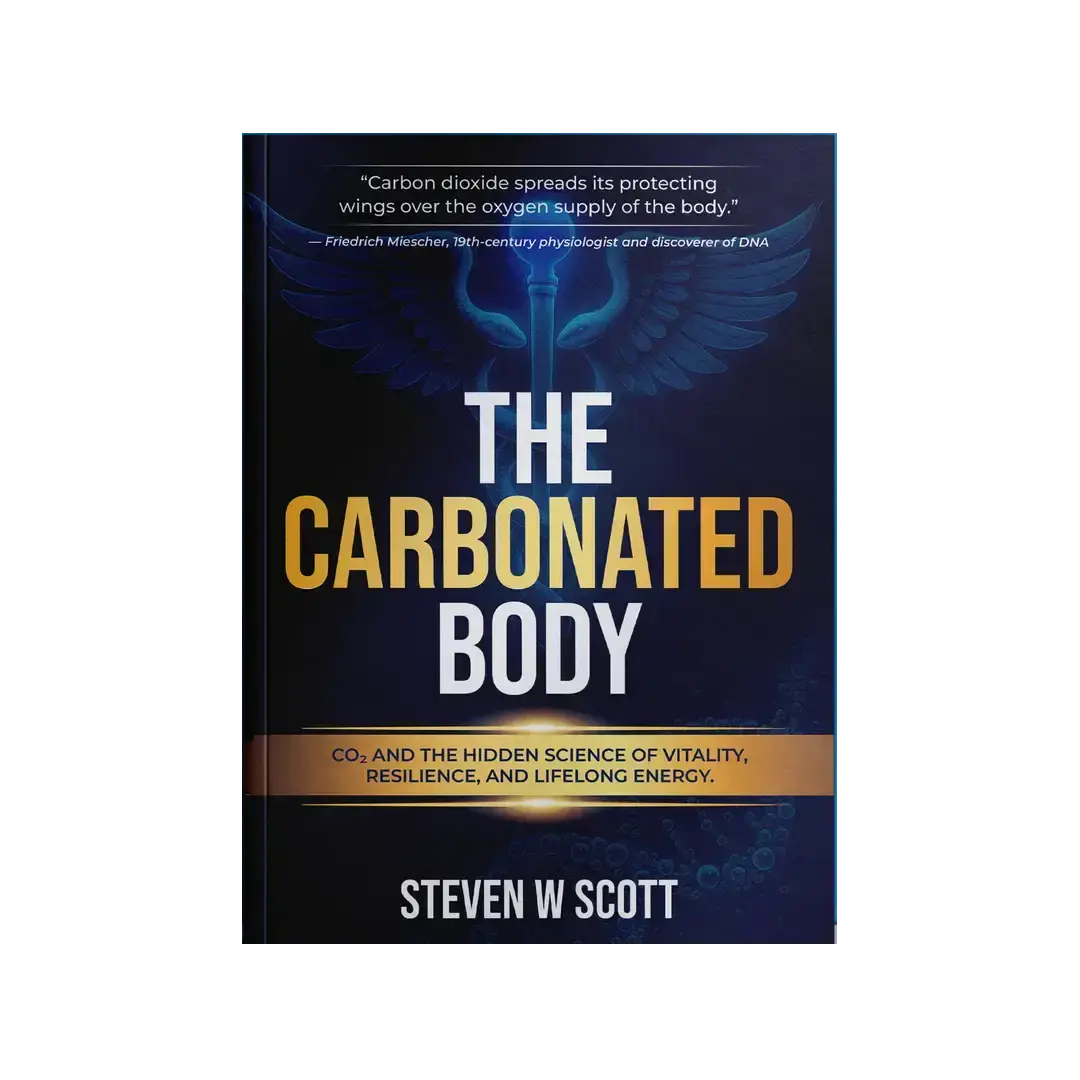
Healing requires more than oxygen. It requires new pathways for life to flow. This chapter introduces carbon dioxide as a signal that tells the body where to grow new blood vessels, often before damage becomes obvious. It reframes regeneration as a proactive process guided by CO₂ rather than a desperate response to injury.
Oxygen can be abundant in the blood while cells quietly starve. This chapter explores the hidden mechanism that determines whether oxygen is actually released where it is needed. Rather than focusing on oxygen levels, it reveals why carbon dioxide acts as the real gatekeeper of cellular respiration and what happens when that gate is ignored.
Oxygen is celebrated as life itself, yet the body treats it with surprising caution. This chapter reveals a paradox at the heart of respiration: oxygen cannot be safely or effectively used without carbon dioxide. It challenges the idea that more oxygen equals more vitality and hints at why modern approaches may be quietly undermining the very energy they seek to enhance.
Long before carbon dioxide was labeled a metabolic byproduct, it was quietly used as a healing agent. This chapter traces a forgotten lineage of CO₂ rich springs, sacred sites, and early medical practices that treated carbon dioxide as restorative rather than dangerous. It asks why a therapy once central to healing vanished from medicine, and what was lost when it did.
We welcome thoughtful questions, collaboration ideas, research inquiries, and feedback related to The Carbonated Body
Sign up to our newsletter